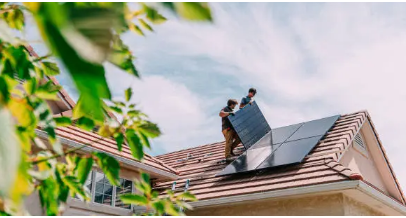
As electricity costs continue to climb and environmental awareness grows, many Adelaide homeowners are considering a shift to solar. Understanding solar panels pricing is the first step toward deciding whether to invest in a home solar panels installation. In Adelaide — with its abundant sunshine and strong local policies supporting clean energy — making the right choices about system size, installer, and timing can lead to significant savings while boosting your use of renewable energy.
What Drives the Cost of a Solar System in Adelaide
When you begin exploring a solar installation, it helps to know why prices vary and what factors influence the cost of your solar panel setup.
System Size and Capacity
The most obvious cost driver is the system size, usually measured in kilowatt‑peak (kWp). A small 3 kW system might be enough for a modest household lighting load or individual appliances. For a typical family home in Adelaide aiming to significantly reduce electricity bills, many prefer a 5–6.6 kW PV system. As capacity increases, the price per watt tends to drop — larger systems spread out overheads like labour and permits.
Quality of Components & Warranties
Not all solar panels and inverters are equal. Premium solar panel brands and reliable inverters tend to cost more, but often come with longer warranties and better performance — making them more cost-effective over the long term. Cheaper components may lower upfront cost, but risk shorter lifespan or lower output. For homeowners seeking long-term energy savings and stable solar energy generation, opting for reputable manufacturers and certified installers is usually worth the extra expense.
Installation Complexity & Roof Conditions
Your roof’s orientation, angle, materials, and shading from trees or neighbouring buildings can affect the difficulty of installation. Tilted or shaded roofs can require additional equipment or structural work, increasing the price of the solar system. Flat or west-facing roofs may need mounting hardware or extra labour.
Local Regulations, Permits, and Grid Connection
In Adelaide (and broadly across South Australia), grid connection, electrical compliance, and sometimes permit costs contribute to the overall expense. If you plan a grid‑tied solar power system, make sure the installer includes an application for grid‑connection and, if relevant, availability for a feed-in tariff agreement.
Batteries and Off‑grid Options
If you want to move toward an off‑grid or hybrid solar solution — pairing solar panels with a battery system — expect a significant price jump. Batteries and inverter/battery controllers add complexity and cost. However, for homes in remote areas or those seeking energy independence and clean energy around the clock, the added cost can be justified by the long-term value and savings on electricity bills.
What Adelaide Residents Should Expect to Pay
As of 2025, typical pricing for a 5–6.6 kW grid‑tied solar system in Adelaide — including high‑quality panels, an inverter, and full installation — tends to range between AU$4,500 and AU$6,500. For premium systems or those with longer warranties and better components, costs could reach AU$7,500–AU$8,000. For those opting for battery‑ready or off-grid-capable systems, total installation costs could range from AU$9,000 to AU$12,000, depending on battery capacity and complexity.
It is advisable to request multiple quotes and budget not just for hardware and installation, but also for compliance paperwork, connection fees, and — if off‑grid — batteries and backup systems.
Tips to Get the Best Value on Your Solar Purchase
1. Compare Multiple Installers & Get Itemised Quotes
Contact several licensed installers in Adelaide and request itemised quotes that break down the costs of panels, inverters, mounting, labour, permits, and grid connection. This transparency helps you compare apples to apples and identify any inflated costs or unnecessary add-ons.
2. Time Your Purchase Strategically
Supply and demand cycles, seasonal promotions, or end-of-financial-year discounts can influence solar panel pricing. If possible, try to time your purchase when installers offer deals — often toward the end of financial quarters or when new panel stock is arriving.
3. Take Advantage of Local Incentives & Feed-in Tariffs
Check for any ongoing South Australian incentives, rebate programs, or feed-in tariff schemes for exporting surplus solar power to the grid. These incentives can improve your return on investment, shortening the payback period and increasing energy savings over time.
4. Right-size the System for Your Needs
Avoid oversized systems beyond your typical consumption unless you plan to expand your energy usage (e.g., EV charging or electric heating). A system sized appropriately for your household ensures efficient use of solar energy and faster payback.
5. Prioritise Component Quality and Installer Reputation
Focus not only on the lowest price but also on reliability. High-quality panels and inverters with long warranties will likely perform better and last longer, delivering consistent clean energy (and stable reductions in electricity bills). Likewise, experienced installers can avoid common pitfalls such as roof leaks, poor wiring, or suboptimal panel orientation.
Benefits Beyond Cost: Long-Term Gains
By installing a well-designed solar system, households in Adelaide can enjoy multiple long-term advantages beyond the initial investment. Reduced electricity bills — sometimes cutting monthly costs by 50–70% — translates into financial savings. By replacing part of your grid consumption with solar power, you also reduce your carbon footprint.
Final Thoughts
If you are an Adelaide-based homeowner evaluating a solar installation, getting a handle on solar panel pricing is crucial. The key determinants include system size, component quality, installation complexity, and whether you integrate battery or off‑grid capability. By collecting multiple quotes, aligning timing with promotional windows, leveraging incentives, and opting for quality installation from reputable providers, you can optimise cost-effectiveness and maximise long-term energy savings.
In the end, investing in a properly designed PV system — whether grid-tied or off-grid — not only helps lower electricity bills but also contributes to sustainable, clean energy and energy independence. For many Adelaide households, it’s a smart financial and environmental decision.