As businesses increasingly seek sustainable energy solutions, commercial solar PV systems have emerged as a reliable and cost-effective way to reduce electricity costs while promoting environmental responsibility. A commercial solar PV system harnesses the natural power of the sun to generate clean and consistent electricity for business operations, making it an essential part of renewable energy systems today.
This guide explores everything you need to know about commercial solar systems, from their components to their benefits and installation considerations.
Understanding a Commercial Solar PV System
A commercial solar PV (photovoltaic) system is designed specifically for businesses, industrial facilities, and institutions to generate solar electricity on-site. Unlike residential systems, which are typically smaller, commercial solar panel installations are larger and cater to businesses’ energy needs.
Key Components of a Commercial Solar PV System
A commercial PV system consists of several components that work together to generate solar energy efficiently:
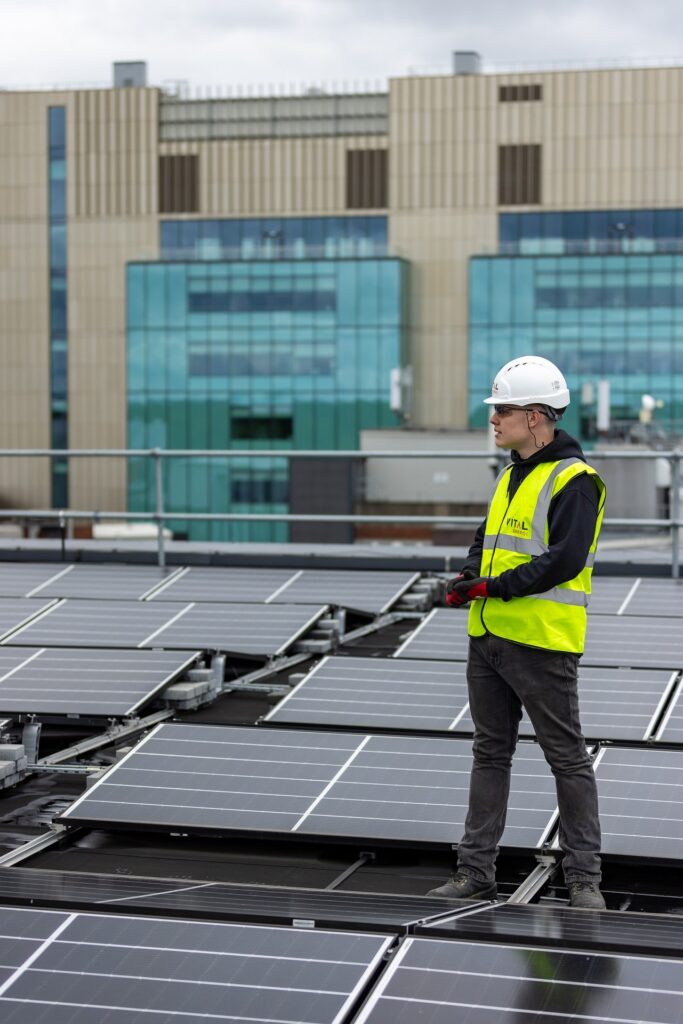
- Solar Panels – These capture sunlight and convert it into direct current (DC) electricity.
- Inverters – Convert DC electricity from the solar panels into alternating current (AC) electricity, which is used by businesses.
- Mounting Systems – Secure the business solar panels on rooftops or ground-based installations.
- Solar Batteries – Store excess solar electricity for later use, enhancing energy independence.
- Monitoring Systems – Provide real-time data on energy production and system performance.
- Charge Controllers – Regulate the power flow to prevent overcharging of solar batteries and optimize the system’s efficiency.
- Net Metering Equipment – Enables businesses to feed surplus solar electricity back to the grid, earning credits that reduce electricity bills.
How Does a Commercial Solar PV System Work?
A commercial solar PV system operates by converting sunlight into consistent, usable electricity through a series of interconnected components. Understanding how each part functions together helps businesses maximize their solar energy generation and efficiency.
- Sunlight Absorption – The solar panels absorb sunlight and generate DC electricity.
- Conversion Process – The inverter converts DC into usable AC electricity.
- Power Distribution – The solar power system distributes electricity throughout the facility.
- Energy Storage – Any surplus electricity can be stored in solar batteries for later use.
- Grid Interaction – Businesses can feed excess energy back into the grid through net metering, reducing costs.
System Performance and Efficiency
The efficiency of a solar power system depends on several factors:
- Panel Orientation and Angle – Panels should be positioned to maximize exposure to sunlight.
- Weather Conditions – Cloud cover, shading, and temperature affect solar energy generation.
- Panel Quality – Higher-quality solar panels have better efficiency and longevity.
- Maintenance – Regular cleaning and servicing improve system performance.
Benefits of Commercial Solar PV System Installation
Investing in a commercial solar PV system offers businesses multiple advantages, from reducing electricity costs to promoting sustainability. Below, we explore the key benefits that make commercial solar panels a smart long-term investment.
1. Significant Cost Savings
Installing commercial solar panels helps businesses significantly reduce their electricity bills. By generating solar electricity on-site, companies can lower their dependence on the grid and avoid rising utility costs.
2. Sustainability and Environmental Impact
Using a solar power system contributes to solar energy generation, reducing carbon emissions and dependence on fossil fuels. Companies adopting commercial solar power play a crucial role in promoting clean, renewable energy systems.
3. Energy Independence and Reliability
With solar batteries, businesses can store surplus energy and use it during peak hours or power outages, ensuring uninterrupted operations.
4. Government Incentives and Tax Benefits
Many governments offer financial incentives, including tax credits and rebates, for businesses that install commercial PV systems. These incentives can significantly reduce installation costs and improve return on investment (ROI).
5. Increased Property Value
Buildings equipped with business solar panels and rooftop solar systems are considered more valuable due to their energy efficiency and sustainability.
6. Corporate Social Responsibility
Businesses investing in solar power systems demonstrate a commitment to sustainability, which enhances their reputation among customers, investors, and stakeholders.
7. Long-Term Investment and ROI
A well-designed commercial solar PV system can provide financial returns for decades. With the right setup, businesses can achieve a payback period of 5 to 7 years, followed by substantial energy savings.
Types of Commercial Solar Installations
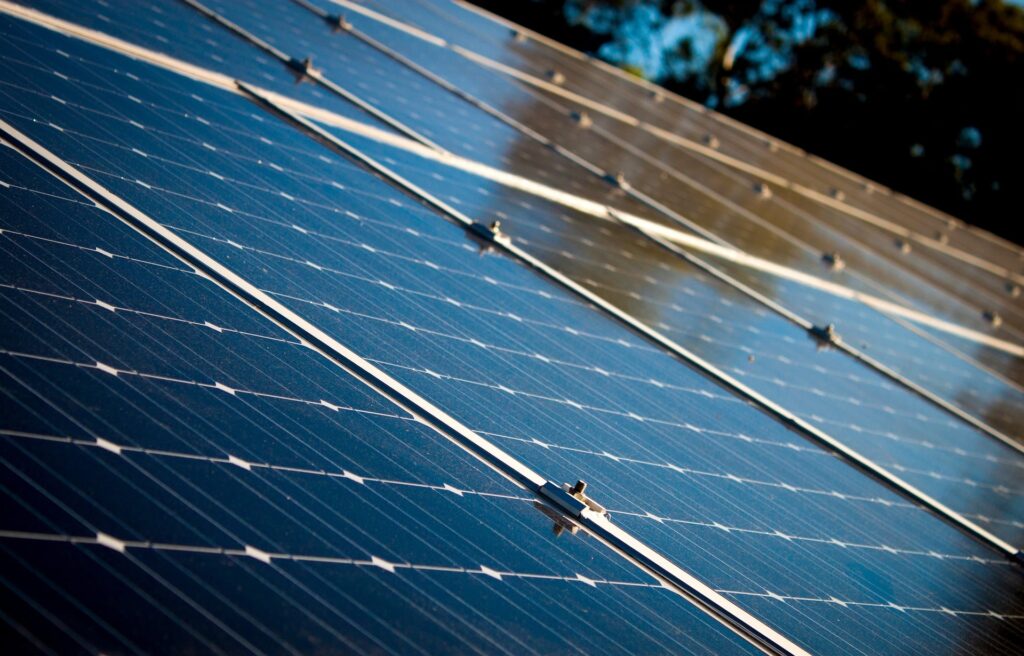
Businesses have several options for commercial solar installations, each suited to different energy needs and site conditions. Choosing the right type of solar power system ensures maximum efficiency and long-term savings.
Rooftop Solar Systems
Many businesses opt for rooftop solar installations as they utilize unused space effectively. This method is cost-efficient and ideal for urban settings.
Ground-Mounted Solar Systems
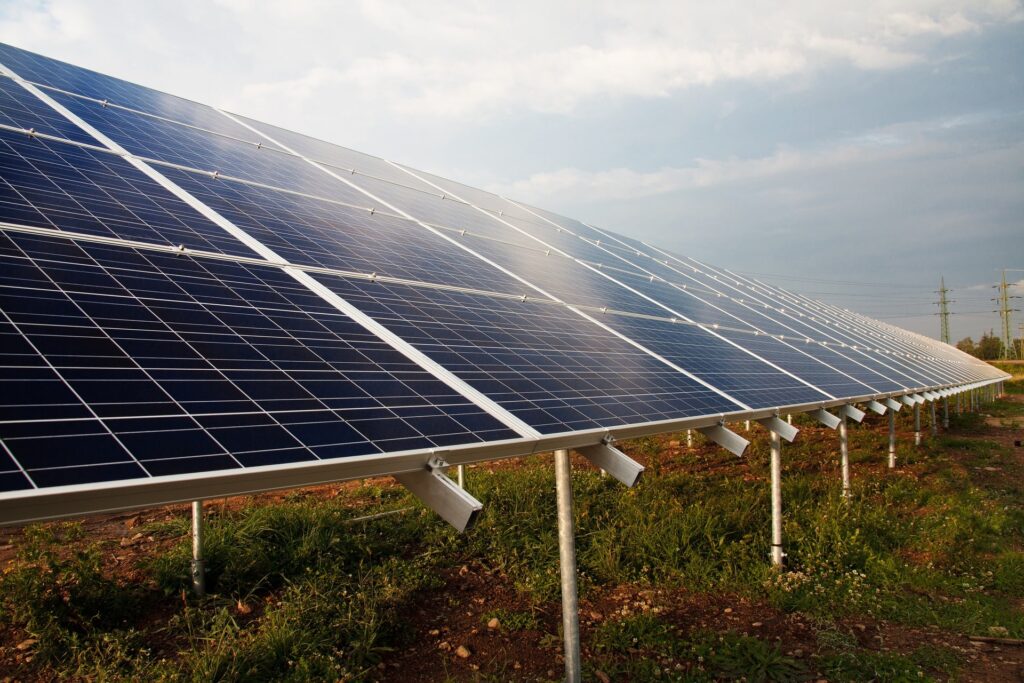
Larger businesses with available land can install ground-mounted solar power systems to generate high volumes of solar energy.
Solar Carports
These dual-purpose structures provide shaded parking while generating solar electricity, maximizing the use of available space.
Hybrid Solar Systems
Hybrid systems combine solar panels with solar batteries and grid connections, ensuring continuous power supply and energy reliability.
Factors to Consider Before Installing a Commercial Solar PV System
Installing a commercial solar PV system is a significant investment that requires careful planning. Businesses must evaluate various factors to ensure they choose the right solar power system that meets their energy needs and financial goals.
1. Energy Needs and Consumption
Understanding your business’s energy consumption is crucial for designing an efficient solar system that meets operational demands.
2. Available Space
The amount of roof or ground space available will determine the number of commercial solar panels that can be installed.
3. Budget and Financing Options
Various financing options (e.g., power purchase agreements (PPAs) and leasing) are available for businesses looking to install commercial solar panels without significant upfront costs.
4. Local Regulations and Incentives
Researching local policies, permits, and incentives can maximize the benefits of a solar power system installation.
5. Maintenance and Warranty
Choosing high-quality solar panels with strong warranties ensures long-term efficiency and reliability.
6. Business Energy Goals
Some businesses aim for full grid independence, while others want to supplement existing power sources. Defining energy goals helps when choosing the right solar system.
Choosing the Right Commercial Solar Provider
Selecting the right commercial solar provider is essential for a successful installation. Consider the following factors:
- Experience and Expertise – Choose a reliable company with a proven track record in solar power systems.
- Product Quality – Ensure the solar panels and other components meet industry standards.
- Financing Options – Look for providers that offer flexible financing solutions.
- Customer Support – Reliable after-sales service and maintenance are crucial.
- Client Reviews – Check customer testimonials and case studies.
Conclusion: Is a Commercial Solar PV System Right for Your Business?
Investing in a commercial solar PV system is a smart decision for businesses looking to lower energy costs, reduce their environmental impact, and enhance energy security. With numerous benefits, such as government incentives, sustainability, and increased property value, commercial solar panels are a long-term asset for any business.
By carefully evaluating energy needs, space availability, and financial options, businesses can ensure a successful transition to solar power. With advancements in solar battery technology and growing support for renewable energy systems, now is the perfect time to embrace the power of the sun.
Whether you’re interested in rooftop solar, ground-mounted systems, or hybrid solar power systems, adopting solar energy generation is a step towards a more sustainable and cost-efficient future for your business.